Drawing from the imagery of the Chinese radical "艸", lush, thriving plants, I have selected four herbaceous plants that hold profound significance in both Chinese and Western cultural histories. Through them, I explore the complex narratives that plants carry within the flow of civilizational exchange.
Four Chinese characters: 「蕤」, 「蒔」, 「英」, and 「葸」— all belonging to the "艸" radical — serve as the conceptual keystones for each work. These characters are more than titles; they are keys to deciphering a cultural code.
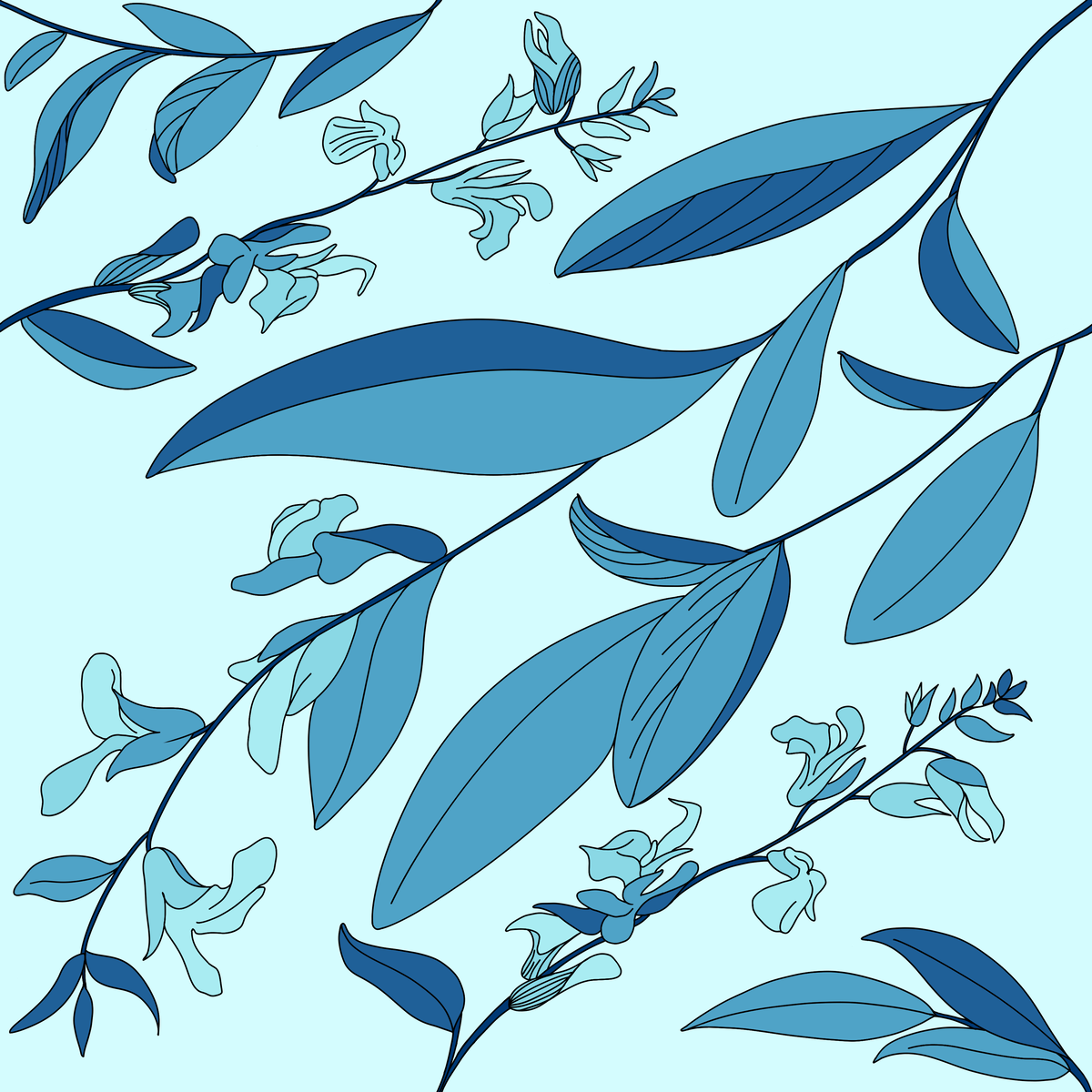
「蕤」means a luxuriant, drooping abundance of flora. This character captures the essence of Sage's full, hanging flower spikes, symbolizing its latent multiplicity.
In the West, its leaves are transformed into rising smoke for purification, used in rituals to dispel negative energy. In China, its root is used as a grounded medicine to invigorate blood and alleviate pain. The understanding of "healing" across Chinese and Western cultures achieves a perfect balance here: an upward spiritual passage and a downward physical grounding. 「蕤」manifests a wisdom of symbiotic coexistence.
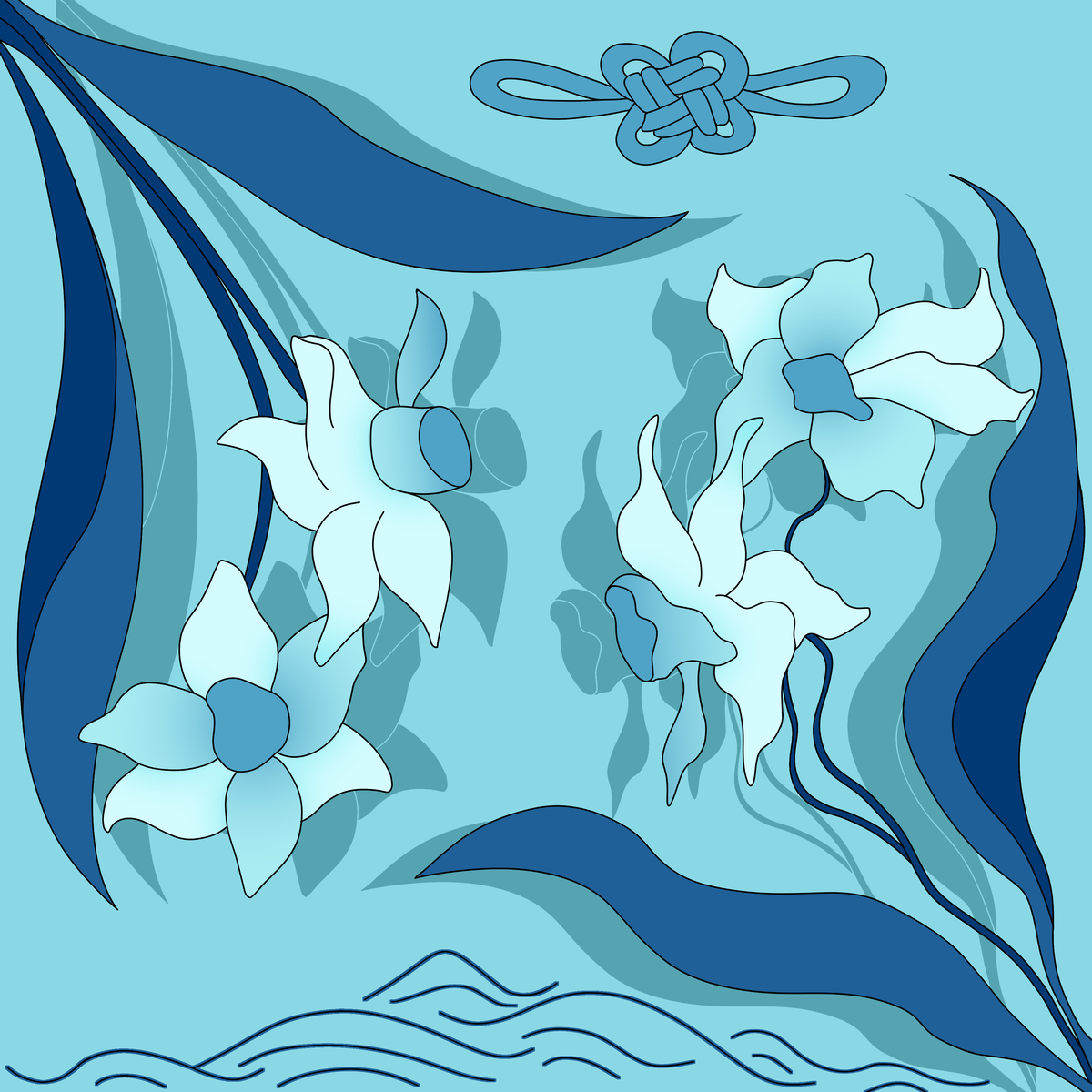
「蒔」has the meaning of transplant, cultivate, and graft. It describes the dynamic process of a cultural symbol being replanted and nurtured in foreign soil. In the Western tale of Narcissus, it serves as a warning against self-indulgence, while the Chinese image of this "Spirit Over the Waves" celebrates detachment from the self. 「蒔」 documents how the same beautiful vessel was "grafted" with an entirely different soul within Chinese culture, accomplishing a creative transformation from "self" to "non-self."
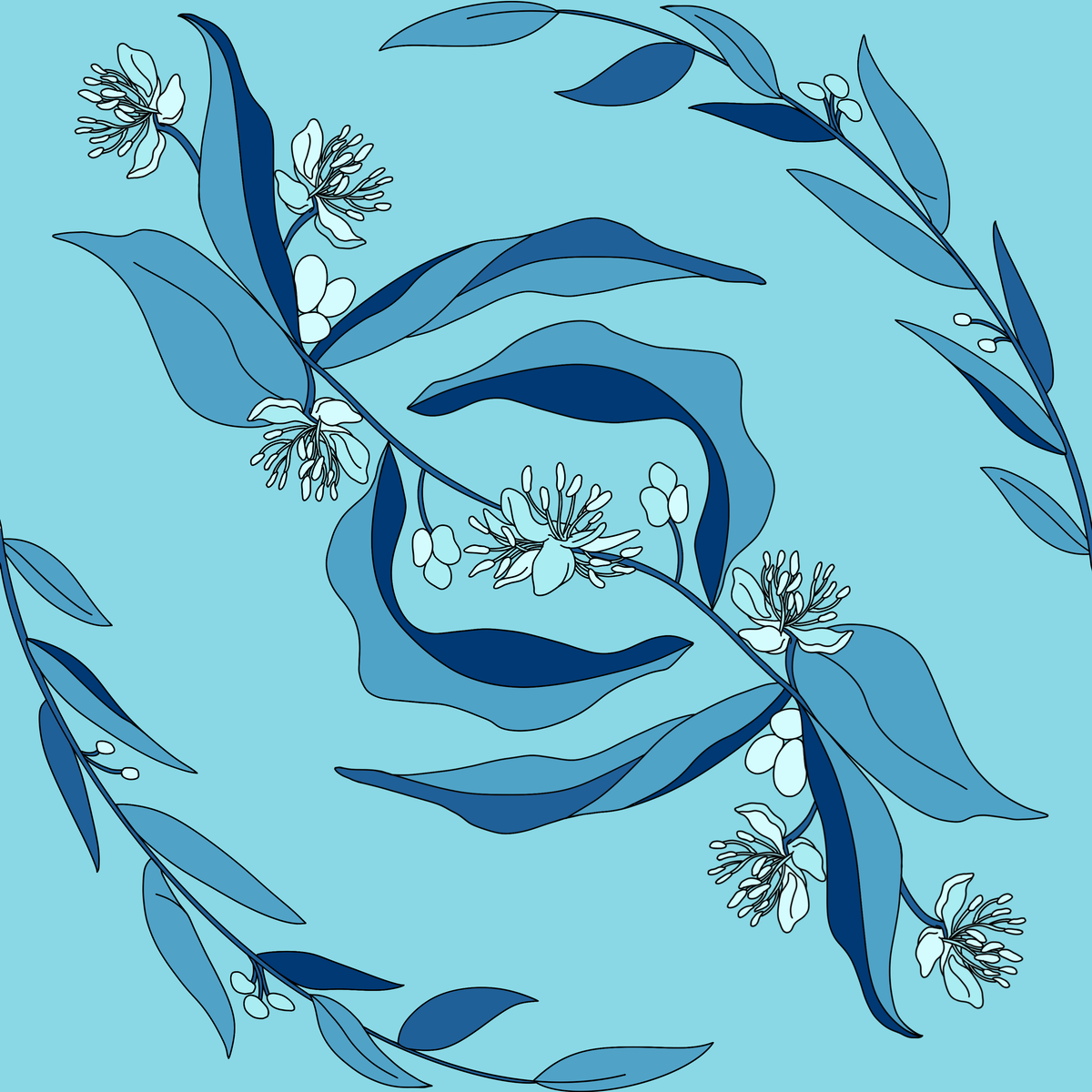
「英」is associated with a core meaning about the flower or blossom of a plant, extended to mean the essence or an outstanding person. It points to the most brilliant blossoming of life. Whether crowning a triumphant Roman general or symbolizing the success of a Chinese scholar-official in the imperial exams ("plucking the laurel"), the laurel is a serendipitous symbol of glory. Transcending its origins, it becomes a shared language of praise from both civilizations for the exemplary soul and pinnacle achievement. 「英」 celebrates a cross-cultural consensus, the purest affirmation of "human excellence."
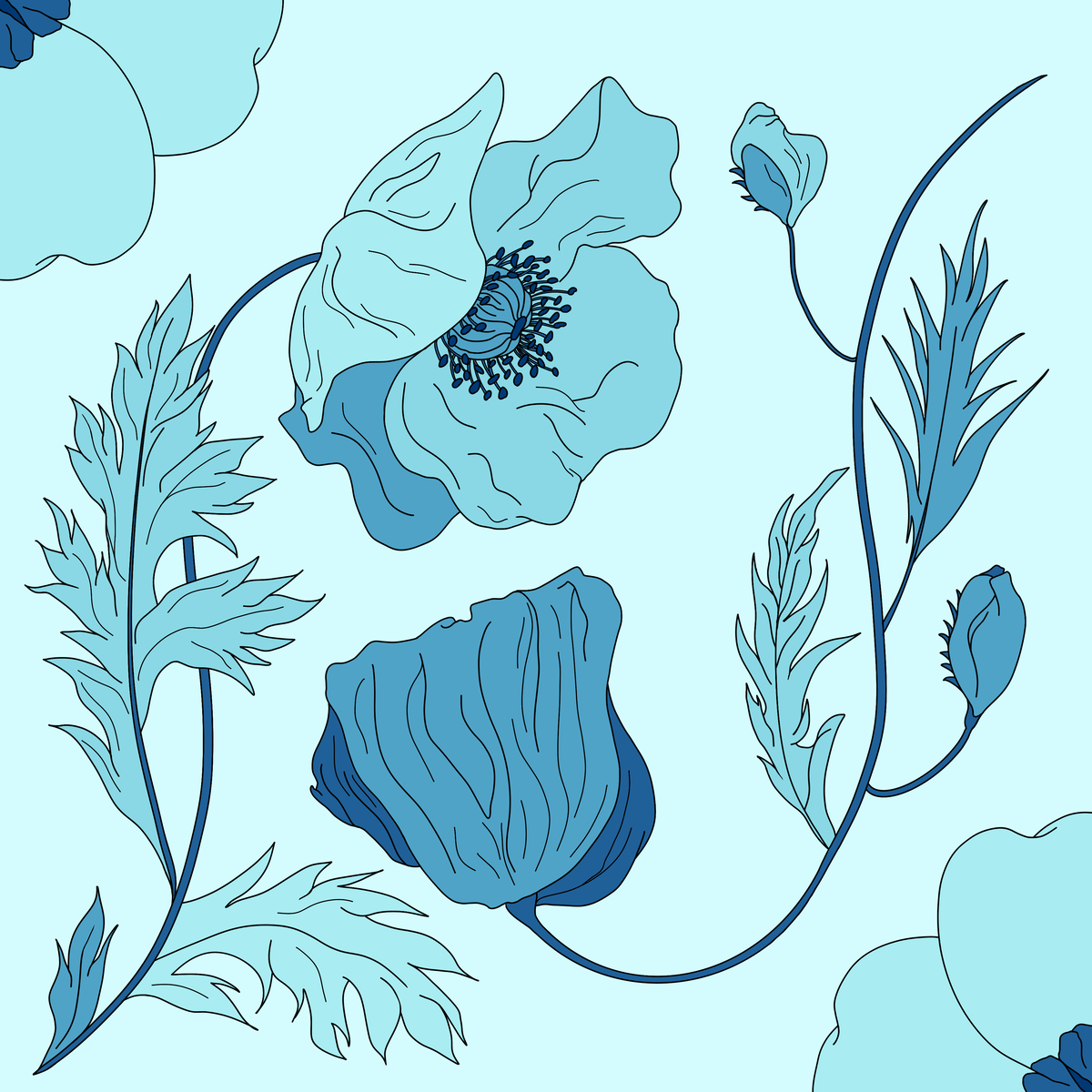
「葸」means fear, trepidation, and cowardice. It points directly to a deep-seated, traumatic reflex embedded in memory.
The Poppy's beauty is a disguise for its peril. In the West, it is a symbol of solace and remembrance from myths and modern history. In China, it is the brand of modern historical humiliation and pain. This sharp opposition reveals the most poignant facet of cultural encounters. 「葸」 engraves the shocking weight of history behind the beauty, the unforgettable shadow in the dialogue between China and the West.
From the balanced coexistence of 「蕤」, the innovative transformation of 「蒔」, and the achieved consensus of 「英」, to the formative trauma of 「葸」, this series captures the manifold possibilities of Sino-Western cultural encounters, interweaving the form of plants with the meaning of words.